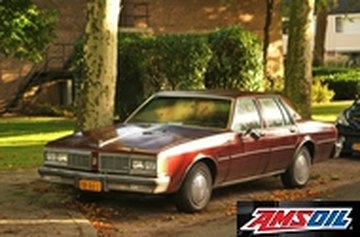
Lubrication Maintenance for the 1980 Oldsmobile 88 5.7L
Maintaining the engine lubrication system in a vehicle like the 1980 Oldsmobile 88 with a 5.7L engine requires consistent attention to fluid condition and component integrity. As vehicles age, the methods used to monitor and manage engine health become increasingly important for ensuring continued operation. Proper care involves not just periodic oil changes, but also a comprehensive approach to inspecting the various systems that support the engine's internal environment.
Monitoring Fluid Condition and Consumption
One of the most effective ways to gauge the health of an engine is to monitor how it uses its lubricant. Owners should pay close attention to any changes in how much oil the engine consumes between service intervals. While some level of consumption can occur as engines age, significant or sudden increases in oil usage warrant a closer look at the vehicle's condition.
Beyond just the quantity of oil, the physical appearance of the lubricant itself provides useful information. When checking the oil level using the dipstick, observe the color and texture of the fluid. If the oil appears excessively dark, gritty, or contains visible particulates, it may indicate that the oil is breaking down or that contaminants are present within the system. Such observations can be early indicators that the service interval should be addressed or that an inspection of the filtration components is necessary.
It is also helpful to look for signs of contamination from other fluids. For instance, if the oil has a milky or frothy appearance, this can be associated with the presence of coolant in the lubrication system. Such a condition should be investigated promptly to determine the cause and prevent potential engine damage.
System Integrity and Visual Inspections
A proactive maintenance strategy includes regular visual inspections of the areas surrounding the engine. Identifying leaks or seepage early can prevent more significant issues down the road. When performing routine checks, focus on the following areas:
- Sealing Surfaces: Inspect various gaskets and seals for signs of age-related seepage. Even if a leak is not actively dripping, a "wet" appearance around a seal often indicates that the material is beginning to degrade.
- External Components: Look for any evidence of fluid escaping from connection points or housing areas. This includes checking the area around the oil filler cap and the drain plug.
- Hoses and Connections: If equipped, inspect accessible hoses for signs of cracking, softening, or bulging. Maintaining the integrity of these components is vital for preventing unexpected fluid loss.
- Drive Belts: If the engine is equipped with accessible drive belts, check them for signs of wear such as glazing, fraying, or surface cracking. While not directly part of the lubrication system, the condition of these belts can impact how other engine accessories function.
By combining these visual checks with regular fluid level monitoring, an owner can establish a clearer picture of the vehicle's current mechanical state.
Managing Maintenance Records and History
For long-term ownership of a 1980 Oldsmobile 88, maintaining a detailed service history is one of the most valuable tools available. A well-kept log of oil changes, filter replacements, and any repairs performed provides a baseline that helps in making informed maintenance decisions.
If you are currently operating this vehicle and do not have access to its previous service records, your first priority should be to establish a new maintenance baseline. This involves performing a thorough inspection of all fluids and components and then strictly adhering to a consistent service schedule moving forward. Once a history is established, you can more easily identify deviations from the norm—such as a sudden change in oil consumption or a new leak—which might otherwise go unnoticed.
Documenting not just what was done, but also when it was done and what the condition of the components was at that time, allows for better long-term planning. For example, noting that a seal showed slight seepage during an oil change can help you anticipate when a more significant repair might be necessary.
Prioritizing Service Tasks as the Vehicle Ages
As a vehicle reaches higher ages and mileage, maintenance priorities often shift from purely preventive tasks to condition-based management. Rather than replacing parts based solely on their age, it is often more practical to prioritize repairs and services based on the actual observed condition of the vehicle.
When deciding where to focus your maintenance efforts, consider the following hierarchy:
- Address Active Issues: Any active leaks, unusual noises, or warning indicators should be the highest priority. These are direct signals that a component requires immediate attention.
- Monitor Changing Trends: If you notice a gradual increase in oil consumption or a change in how the engine sounds during startup, these trends should be investigated before they escalate into major failures.
- Evaluate Aging Materials: Components like rubber hoses and belts may show signs of deterioration even if they haven't failed yet. Inspecting these items allows for planned replacements rather than emergency repairs.
- Maintain Routine Intervals: Even as you focus on age-related issues, do not neglect the fundamental tasks of regular oil and filter changes, as these remain the foundation of engine health.
This approach ensures that resources are directed toward the areas that provide the most significant benefit to the vehicle's continued operation.
Identifying Potential Warning Signs
Understanding the difference between normal operating characteristics and potential warning signs is essential for any owner. It is important to remember that many symptoms can have multiple causes, so a single observation should be treated as a prompt for investigation rather than a definitive diagnosis.
Some indicators that warrant further inspection include:
- Unusual Odors: A burning smell near the engine may indicate that oil is contacting a hot surface, which could be due to a leaking gasket or seal.
- Changes in Engine Sound: Any new mechanical noises, particularly those that occur during startup or under load, should be investigated by a professional.
- Exhaust Observations: While exhaust characteristics can vary based on many factors, any noticeable change in the color or consistency of the exhaust smoke may be worth monitoring.
- Warning Indicators: If the vehicle is equipped with oil pressure indicators or other dashboard warning lights, these should never be ignored and require immediate attention.
By staying observant and reacting to these signs early, you can often address minor issues before they lead to more extensive mechanical complications.
Buying Engine Oil for your 1980 Oldsmobile 88 5.7L
When it is time to replenish the lubrication in your 1980 Oldsmobile 88 5.7L, the most important step is to ensure the product you select matches the specific requirements for this application. Rather than relying on general assumptions about older engines, always refer to the vehicle-specific oil viscosity and application information provided on this webpage.
When shopping for lubricants, consider the following practical tips:
- Verify the Label: Before purchasing, check the product packaging to ensure it meets the appropriate API service classifications.
- Evaluate Formulations: Depending on your specific needs and the current condition of your engine, you may choose between conventional, synthetic blend, or full synthetic oils. Some high-mileage formulations are also available, which contain additives intended for use in aging engines.
- Check Compatibility: Ensure that any additives or specialized oil types you select are appropriate for the 5.7L engine as indicated by the application data on this page.
By matching your purchase to the specific technical information displayed here, you can ensure that you are providing the correct level of protection and performance for your engine.